
Types of Oil Spill Compensation and Your Legal Options
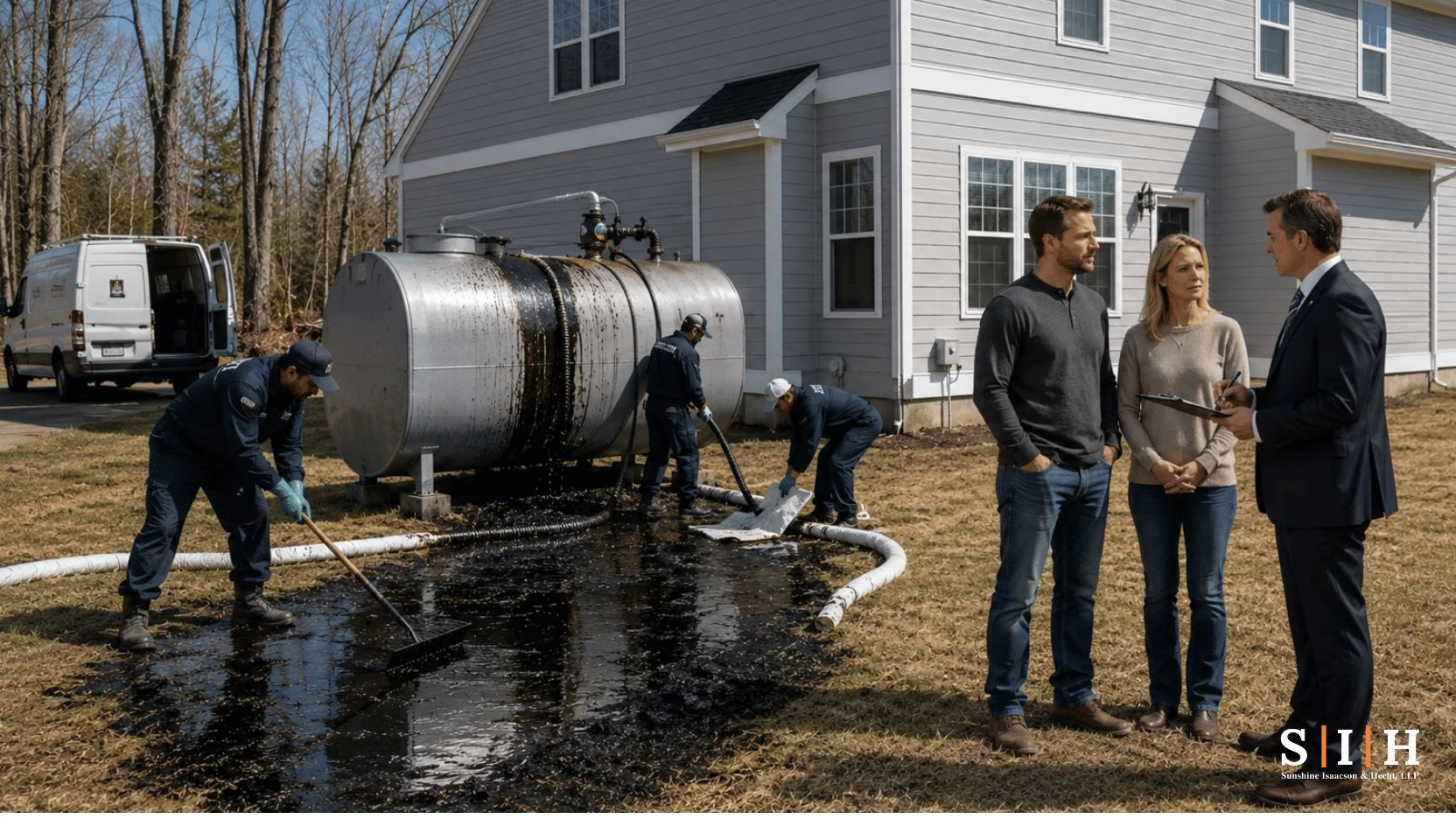
An oil spill rarely stays contained to the spot where it started. A release from a heating oil tank can damage a home’s foundation, ruin personal belongings, force a family out of the house for weeks, and quietly lower what the property is worth, long after the visible oil is gone. Many homeowners assume compensation begins and ends with the cleanup invoice, only to realize later that several other categories of loss went unclaimed. Understanding what’s actually recoverable is the first step toward getting compensated for the full impact.
Quick answer: Oil spill compensation can cover far more than cleanup. Depending on the facts and the laws in your state, a claim may include remediation costs, property damage, diminished property value, temporary living expenses, lost income, environmental restoration, and in some cases health-related losses. What you’re entitled to recover depends on who caused the spill, how the contamination spread, and what evidence supports your claim.
What Oil Spill Compensation Can Cover
Not every claim includes every category below, but these are the losses most commonly recognized:
- Cleanup and remediation expenses
- Damage to your home or other structures
- Damage to personal belongings
- Temporary relocation or additional living expenses
- Lost wages or rental income
- Reduced property value
- Environmental and natural resource restoration costs
- Health-related losses from exposure
The Core Categories of Compensation
Cleanup and Remediation Costs
This is usually the first and most obvious expense. Contaminated soil, groundwater, flooring, or landscaping may need professional testing, excavation, and disposal. In many states, the responsible party is held strictly liable for these costs, meaning you don’t have to prove negligence, only that the spill happened and caused the contamination.
One important note: the first cleanup estimate rarely tells the whole story. Oil can travel beneath a structure or into soil and groundwater that isn’t visible during an initial inspection, so costs can climb once the full extent is known.
Property Damage
Oil contamination can reach far beyond where it was first discovered, affecting foundations, flooring, driveways, heating systems, and personal belongings like furniture and clothing. Some items can be cleaned or repaired; others may need to be replaced entirely because odor or contamination has soaked in too deeply to remove. Document affected items with photos and receipts before discarding anything, since that evidence supports the value of the claim and can be difficult to reconstruct after the fact.
Diminished Property Value
Even after visible contamination is removed, a documented spill can affect what buyers are willing to pay. Concerns about remediation history or the possibility of undiscovered contamination can lower a property’s market value. Whether this loss is recoverable depends on your state’s law, and proving it typically requires a real estate appraiser or environmental consultant rather than a rough personal estimate.
Temporary Relocation and Living Expenses
If a spill makes a home unsafe or unpleasant to live in during remediation, expenses like temporary housing, meals, and storage may be recoverable. These costs add up quickly over weeks or months, so keep every hotel bill, receipt, and mileage record.
Lost Income
An oil spill can create real financial strain beyond property damage. This might mean missed work while dealing with contamination and relocation, or lost rental income if part of your property is normally rented out. Supporting a lost income claim usually requires pay stubs, lease agreements, or other financial records connecting the loss directly to the spill. If you missed work and lost pay because you were dealing with the spill or the cleanup, you may qualify for this.
Environmental and Natural Resource Damage
Contamination that reaches soil, groundwater, a private well, or a nearby wetland can require its own assessment and restoration process, separate from cleaning up the property itself. If a well supplies your drinking water, testing and, if necessary, remediation of that water source becomes its own category of expense. These claims are often the most complex, since the damage isn’t always visible and may require an environmental professional to evaluate contamination levels and confirm when an area is genuinely safe again.
Personal Injury and Health-Related Losses
Petroleum fumes in an indoor space can raise genuine health concerns, particularly for children, older adults, or anyone with respiratory sensitivities. Depending on the circumstances, medical evaluation, treatment costs, and related losses may be part of a claim.
How Liability Typically Works
Oil spill liability depends heavily on where the spill happened and which laws apply. Many states impose strict liability on the party responsible for a petroleum discharge, meaning fault doesn’t need to be proven the way it would in an ordinary injury case. That said, strict liability doesn’t mean automatic compensation for every category claimed. You still need to establish the facts, the damages, and the legal basis for each part of your claim.
For a residential spill, the responsible party is often the company that delivered the oil, installed or serviced the tank, or, in some cases, a previous property owner who failed to disclose a known issue. Identifying the correct party matters, since a claim filed against the wrong one can waste valuable time while deadlines run.
Your Legal Options After a Spill
Option | Best When | Watch Out For |
Negotiating with the responsible party | Liability is clear and the responsible party is cooperative | Signing a settlement that limits future claims if more damage surfaces later |
Filing a direct legal claim against the oil company | The responsible party disputes liability, undervalues damages, or delays payment | Missing filing deadlines, which vary by state and claim type |
Filing an insurance claim | Your policy may cover part of the loss | Pollution exclusions, coverage limits, and disputes over the timing or source of contamination |
- Negotiating with the responsible party. Many claims are resolved by submitting documentation of your losses and negotiating a settlement, which can be faster than litigation. Read any settlement carefully before signing, since it may limit your ability to seek more compensation later if additional damage surfaces.
- Filing a direct legal claim. When the responsible party disputes liability, undervalues the damage, or delays payment, a formal legal claim may be necessary to recover what you’re owed.
- Filing an insurance claim. Insurance coverage depends entirely on your specific policy. Pollution exclusions, coverage limits, and disputes over the timing or source of contamination are common complications, so it’s worth having a claim against the responsible party reviewed alongside any insurance coverage rather than assuming insurance will cover everything.
Why Documentation Matters
Strong records can make or break a compensation claim. After discovering contamination, it’s worth preserving:
- Photos and videos of affected areas
- Cleanup and remediation invoices
- Environmental testing reports
- Repair and replacement estimates
- Receipts for temporary living expenses
- Communications with the responsible party and any insurers
Avoid disposing of damaged items or beginning major remediation before considering whether documentation is needed first, unless there’s an immediate safety concern. Also read: how to document every oil spill expense for a full breakdown of what to save and how.
What to Do Right After an Oil Spill
- Avoid unnecessary contact with contaminated materials
- Report the spill to the appropriate authorities when required
- Photograph and document visible damage
- Preserve receipts and financial records
- Get a professional assessment when appropriate
- Avoid signing a settlement or anything else without legal representation
- Speak with an attorney promptly, since deadlines for filing a claim can vary by state and by claim type
For a full walkthrough of the first steps, see our guide on what to do right away if you spot an oil spill.
Getting the Full Value of Your Claim
Oil spill compensation isn’t limited to the cost of removing visible petroleum. Depending on the circumstances, it can include property damage, diminished value, lost income, temporary living expenses, and environmental restoration on top of remediation itself. Overlooking even one of these categories can mean leaving real money on the table, especially since some losses, like diminished property value, only become apparent well after the cleanup crew has left. Our guide on calculating damages and costs after an oil spill breaks down how each category gets valued in practice.
At SIH Attorneys, we serve homeowners across New York and Connecticut. Our experienced oil spill attorneys can help determine which categories apply to your situation, identify the responsible party, and build a claim that reflects the full impact of the spill, not just the cleanup invoice.
ATTORNEY ADVERTISING
This blog is provided for general informational purposes only and does not constitute legal advice or create an attorney-client relationship. Legal outcomes depend on the specific facts and circumstances of each matter. Consult SIH Attorneys to discuss your specific legal matter and learn about your legal options.
FAQ
What does oil spill compensation typically cover?
Depending on your state’s laws and the facts of your case, it can include cleanup costs, property damage, lost income, temporary relocation expenses, diminished property value, and environmental restoration.
Is the first cleanup estimate the final cost?
Usually not. Contamination can extend into soil or groundwater that isn’t visible during the initial assessment, so costs often rise once the full scope is known.
Can I claim for reduced property value after cleanup is complete?
In many cases, yes, if you can show the spill’s history affected the property’s market value, typically with support from a real estate appraiser.
Are temporary living expenses recoverable during remediation?
Often, yes. Documented relocation, meal, and housing costs incurred while your home is unsafe or unusable can be part of a claim.
Do I need a lawyer to file an oil spill claim?
It’s not legally required, but an experienced attorney can help identify every category of compensation you may be entitled to, gather the right documentation, and negotiate with the responsible party or their insurer on your behalf.
How long do I have to file an oil spill claim?
It depends on your state and the type of claim. Some environmental statutes set their own deadlines, while others follow general property damage or personal injury filing periods. Because these timelines can be shorter than people expect, it’s worth speaking with an attorney soon after discovering a spill rather than assuming there’s no rush.


