What Are Your Legal Rights After Oil Spill?

Discovering an oil spill on your property is disorienting. Whether it comes from a failed heating oil tank, a botched fuel delivery, or a leaking storage system, the damage can affect your home, your soil, and potentially your family’s health and safety. Once the shock passes, most property owners ask the same question: what are my legal options after oil spill property damage?
The answer depends on the circumstances. Oil spill cases typically involve a mix of insurance claims, potential liability claims against responsible parties, and sometimes administrative or regulatory involvement. Understanding how these pieces fit together can help protect your property, your finances, and your rights.
What Oil Spill Property Damage Can Involve
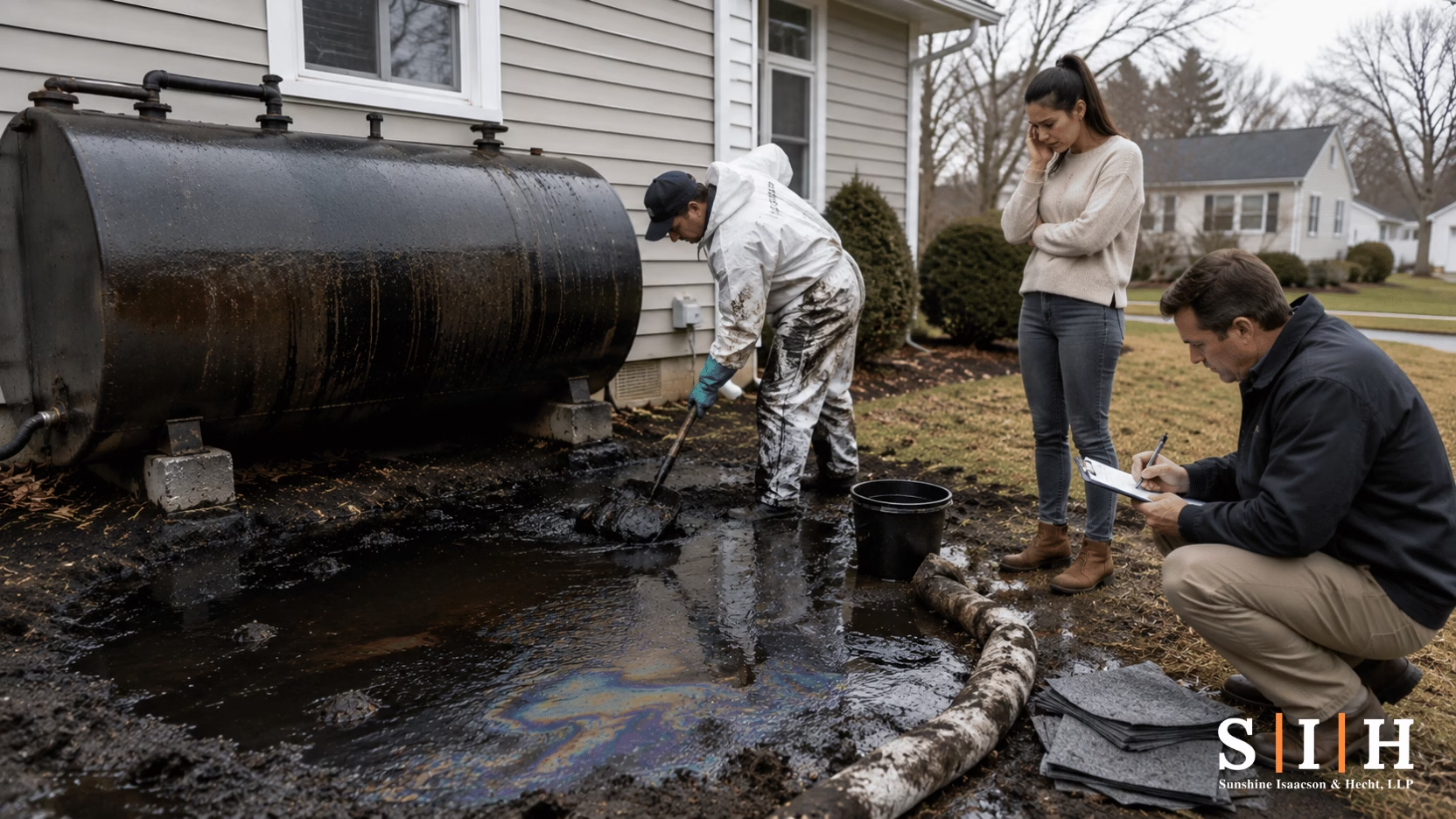
Oil spill property damage is rarely limited to a single issue. Depending on the size and location of the spill, it can involve damage to flooring, walls, basements, or foundations, soil or groundwater contamination, damage to personal property, loss of use of the home during cleanup, and a decline in property value even after remediation.
The scope of damage is often unclear at first, since oil can migrate through soil or beneath a foundation. Professional inspection and testing matter before assuming the problem is limited to what is visible.
What to Do Immediately After Discovering an Oil Spill ?
The steps you take in the first hours and days can affect both your safety and your ability to pursue compensation later.
Prioritize Safety First
Oil vapors can pose health risks, particularly in enclosed spaces. If you smell strong fumes or the spill is significant, it may not be safe to remain in the affected area. Ventilate the space if you can safely do so and avoid opening flames or electrical switches near the spill.
Report the Spill
Oil spills are typically required to be reported to state or local environmental authorities, and reporting requirements vary by jurisdiction. Reporting promptly helps ensure the appropriate agencies are aware and supports documentation of when the incident was discovered.
Contact Your Insurance Company
Notify your insurer as soon as possible. Many homeowners’ policies have specific provisions, exclusions, or endorsements related to oil spills, so early notice can matter how your claim is handled.
Preserve Evidence Before Cleanup Begins
Whenever possible, document conditions before remediation begin, including photographs and video of the spill and affected areas, the condition of any tank or delivery equipment involved, and any visible staining or contamination. Evidence preserved early is often more useful than evidence gathered after cleanup has already altered the scene.
Common Sources and Causes of Oil Spills
Understanding what caused the spill is often the first step toward understanding who may be responsible. Common causes include heating oil tank failures such as corrosion, cracks, or age-related deterioration, equipment failures involving faulty valves, fittings, or piping, fuel delivery problems such as overfilling, contractor-related issues from improper installation or repair, and maintenance or negligence issues where a tank was not properly inspected over time. More than one factor can contribute to a single spill, which often makes liability more complex.
Who May Be Responsible

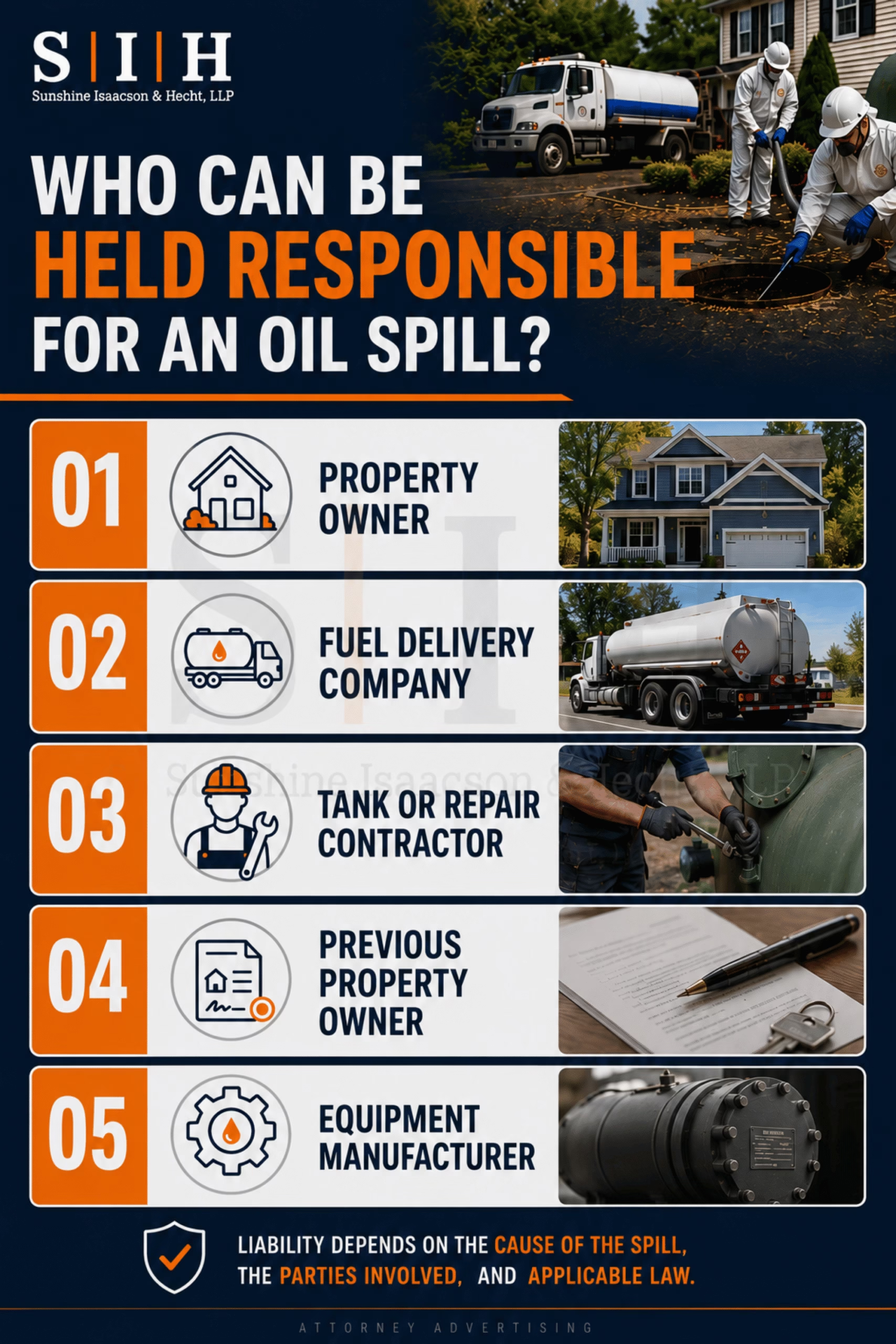
Determining liability after an oil spill depends heavily on the facts. Potentially responsible parties can include the property owner, a fuel delivery company, a tank contractor, a previous property owner, or a manufacturer of defective equipment. Liability generally depends on who owned or controlled the equipment, whether negligence contributed to the failure, and whether any party violated applicable regulations. It is important not to assume any one party is automatically responsible, since liability is typically established through investigation, and more than one party may share responsibility.
No-fault insurance can provide coverage for medical care, lost wages, transportation to appointments and some out-of-pocket expenses associated with the accident.
But, No-fault insurance does not cover pain and suffering or other non-economic damages. New York law has specific requirements that must be met to recover those damages.
Property Damage, Cleanup, and Related Costs
Once a spill occurs, property owners often face expenses tied to remediation and repair, including soil testing and monitoring, excavation of contaminated soil, tank removal or replacement, structural repairs, and in some cases temporary relocation costs. Groundwater contamination, where it occurs, can add further complexity, since remediation may continue over an extended period with ongoing testing.
Because these expenses accumulate quickly, keeping organized records from the start is one of the more practical steps a property owner can take. Our guide on what to do right away if you spot an oil spill walks through the early response steps in more detail.
Insurance Coverage Considerations
Insurance is often the first place property owners look for help, but coverage is not automatic. Whether a policy applies depends on the specific language, any pollution-related exclusions, and the cause of the spill. Some policies cover sudden and accidental releases while excluding damage tied to long-term leaks or lack of maintenance.
Review your policy closely and ask your insurer specific questions about what is and is not covered. If your insurer denies a claim or offers a settlement that seems inconsistent with your policy, you may want a second opinion. Our article on who pays for oil spill cleanup and how liability is assessed looks at how insurance and liability questions often intersect.
Documentation and Evidence That Can Support Your Case
Strong documentation can make a meaningful difference in an insurance claim, a liability claim, or both. Useful records include photographs and videos from different stages of the spill and cleanup, inspection and testing reports, cleanup records, invoices and repair estimates, tank or equipment information, and copies of all communications with insurers, contractors, and regulatory agencies. Retaining this information as it is generated, rather than reconstructing it later, gives you and any professionals you work with a clearer picture of the full cost and cause of the damage.
Legal Options for Pursuing Compensation
Property owners affected by an oil spill typically have more than one potential path toward recovering their losses, depending on the cause of the spill, the responsible parties, and available insurance coverage.
Insurance Claims
For many property owners, filing a claim with their own insurer is the first step, as discussed above. Coverage depends on the specific policy language and the cause of the spill.
Administrative Claims
Depending on the jurisdiction and source of the spill, a property owner may be able to pursue a claim through a state environmental agency or a statutory compensation fund, particularly where the spill involves a regulated facility or a commercial vessel. These programs, where they exist, typically have their own eligibility rules and deadlines, so it is worth confirming whether one applies to your situation.
Civil Lawsuits
When an insurance claim or administrative process does not fully address the loss, a property owner may have grounds to pursue a civil lawsuit against the responsible party. Depending on the facts and applicable law, potential legal theories can include:
- Negligence, where a party failed to exercise reasonable care in maintaining, installing, or delivering fuel, and that failure caused the spill
- Private nuisance, where the spill unreasonably interfered with the use and enjoyment of your property
- Trespass, where oil physically entered your property because of another party’s actions
- Strict liability, which may apply in some jurisdictions to certain regulated activities regardless of fault
Which theories apply depends on the jurisdiction, the specific facts, and applicable law. An attorney can help evaluate which are supported by the evidence in your case.
Recoverable Damages
Damages a property owner may potentially recover, depending on the facts, can include cleanup and remediation costs, repair or replacement of damaged structures and personal property, testing and monitoring expenses, diminished property value even after remediation, and temporary relocation costs where applicable. No outcome or dollar amount can be guaranteed, and recoverable damages depend heavily on the facts, the applicable law, and the strength of the evidence presented.
When Disputes Arise
Disputes are common in oil spill cases. Property owners may disagree with an insurer over coverage, negotiate with more than one potentially responsible party, or face pushback from a party that denies responsibility. These disputes are one of the main reasons property owners consult an attorney rather than handling every issue alone.
When Legal Guidance May Be Appropriate
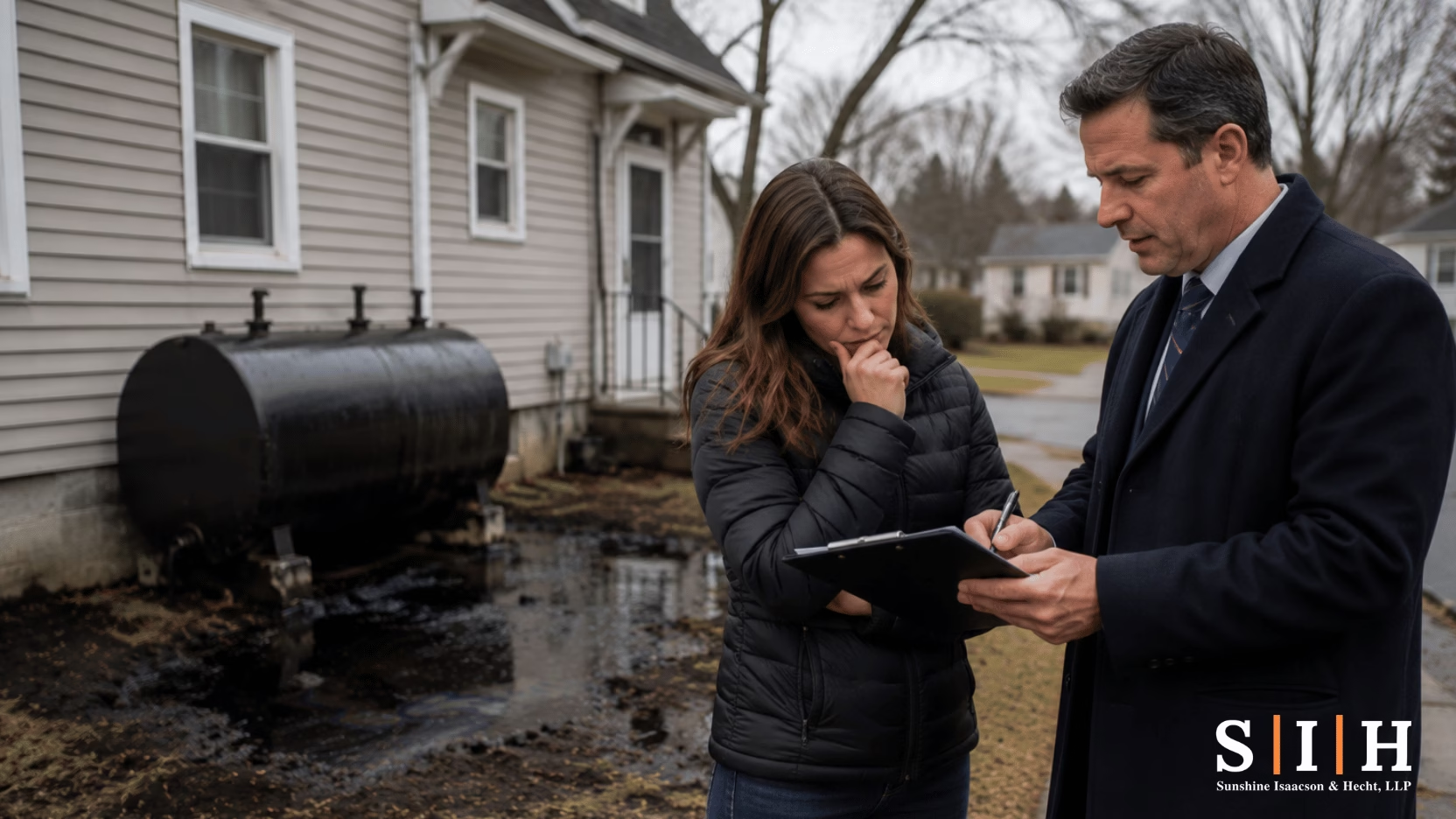
Not every oil spill requires a lawyer, but legal guidance can be valuable when liability is unclear or disputed, when a claim is denied or undervalued, when cleanup costs are substantial, or when you are unsure what your rights and options are.
An attorney experienced in oil spill property damage cases can help investigate the cause of the spill, identify potentially responsible parties, evaluate insurance coverage, and negotiate on your behalf. If a fair resolution cannot be reached, an attorney can also help you understand what pursuing litigation might involve. For a closer look at how our firm approaches these cases, our oil spill lawyer page outlines the ways we assist property owners through investigation, liability analysis, and negotiation.
Timing can also matter. Legal deadlines for filing claims vary by jurisdiction and claim type, so it is generally advisable not to wait too long before seeking guidance. For a broader look at how expenses can add up after a spill, see our article on calculating damages and costs after an oil spill.
Moving Forward After an Oil Spill
Oil spill property damage can feel overwhelming, but property owners generally have more than one path toward resolving the financial impact. Documenting the damage thoroughly, understanding potential causes, and reviewing your insurance coverage carefully all put you in a stronger position. When liability is unclear or a claim becomes contested, speaking with an attorney experienced in oil spill cases can help clarify your options and protect your interests.
FAQ
Is my homeowner's insurance likely to cover oil spill damage?
It depends on your policy. Some policies cover sudden and accidental releases while excluding damage tied to gradual leaks or lack of maintenance. Reviewing your policy language and speaking with your insurer is the best way to understand your coverage.
Who is typically responsible for an oil spill on residential property?
Responsibility can fall on the property owner, a fuel delivery company, a maintenance or installation contractor, or in some cases a previous owner, depending on what caused the spill. Liability is determined through investigation, not assumed automatically.
What should I do if my insurance claim for oil spill damage is denied?
Review the denial letter to understand the stated reason and compare it against your policy language. If the denial seems inconsistent with your coverage, consulting an attorney can help you evaluate whether to appeal or pursue other options.
How long do I have to file a claim after an oil spill?
Deadlines vary depending on the type of claim, applicable state law, and your insurance policy terms. Because these timeframes differ by jurisdiction, confirm applicable deadlines as soon as possible.
Can I sue a fuel delivery company or contractor for causing an oil spill?
In some cases, yes, if evidence shows their negligence contributed to the spill. Whether a claim is viable depends on the facts, applicable law, and the strength of the available evidence.
What records should I keep if my property was damaged by an oil spill?
Keep photographs and videos of the damage, inspection and cleanup reports, invoices and repair estimates, tank or equipment information, and copies of all communications with your insurer, contractors, and regulatory agencies.