
Environmental Conservation in Oil Spill Cases: Cleanup, Costs, and Legal Responsibility
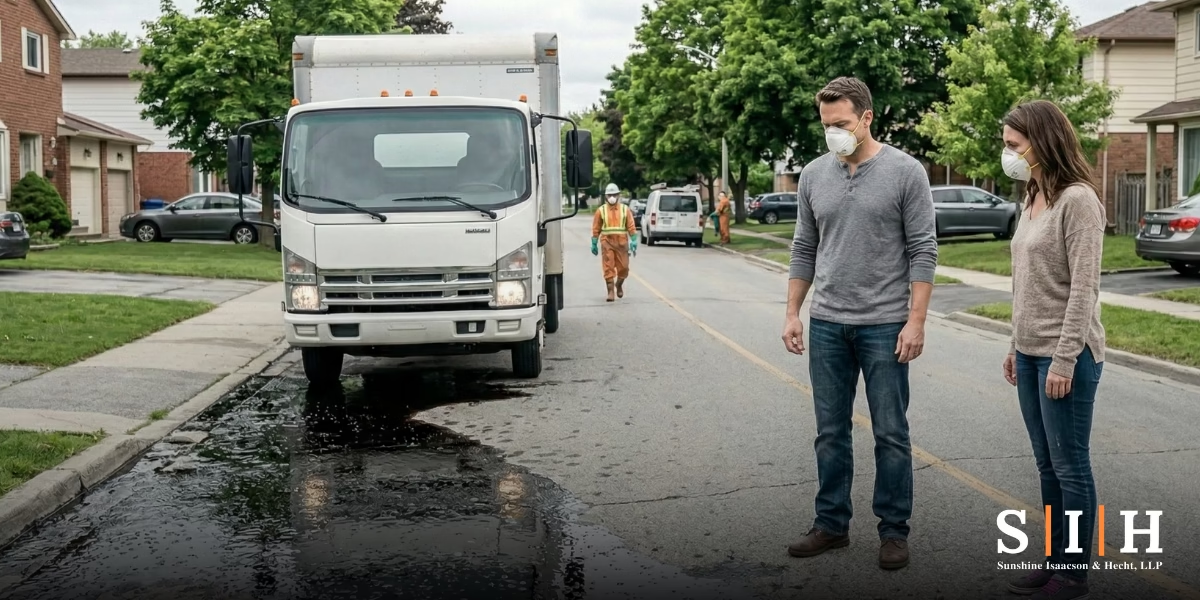
Oil spills can hurt the land, water, wildlife, property, and people’s everyday lives. When oil leaks into soil or groundwater, it can spread below the surface and remain difficult to detect. Families may sometimes need temporary housing while contamination is investigated or cleaned up. Insurance may not cover every expense, leaving property owners with significant cleanup and related costs.
This post explains how oil spills damage the environment, how cleanup and remediation generally work, who may be responsible for the costs, how insurance can affect recovery, and what legal options may be available. Because environmental laws, reporting requirements, and liability rules vary by location and the circumstances of the spill, specific legal requirements should be reviewed for the property involved.
Understanding Environmental Damage from Oil Spills
Oil contamination can affect soil, groundwater, surface water, plants, and wildlife. When petroleum enters the ground, it can migrate through soil and potentially reach groundwater or nearby waterways. The extent of contamination depends on factors such as the type and amount of oil released, site conditions, and how quickly the spill is contained.
Even a small home heating oil leak can create environmental problems. Oil may travel underground without being immediately visible, making environmental testing important. Contamination can affect drinking-water resources, streams, wetlands, fish, birds, and other wildlife.
Common environmental impacts include:
- Soil contamination that may require removal or treatment
- Groundwater contamination that can affect water resources
- Impacts to streams, wetlands, plants, and wildlife
- Persistent petroleum odors or vapors around buildings
How Oil Spill Cleanup and Remediation Work
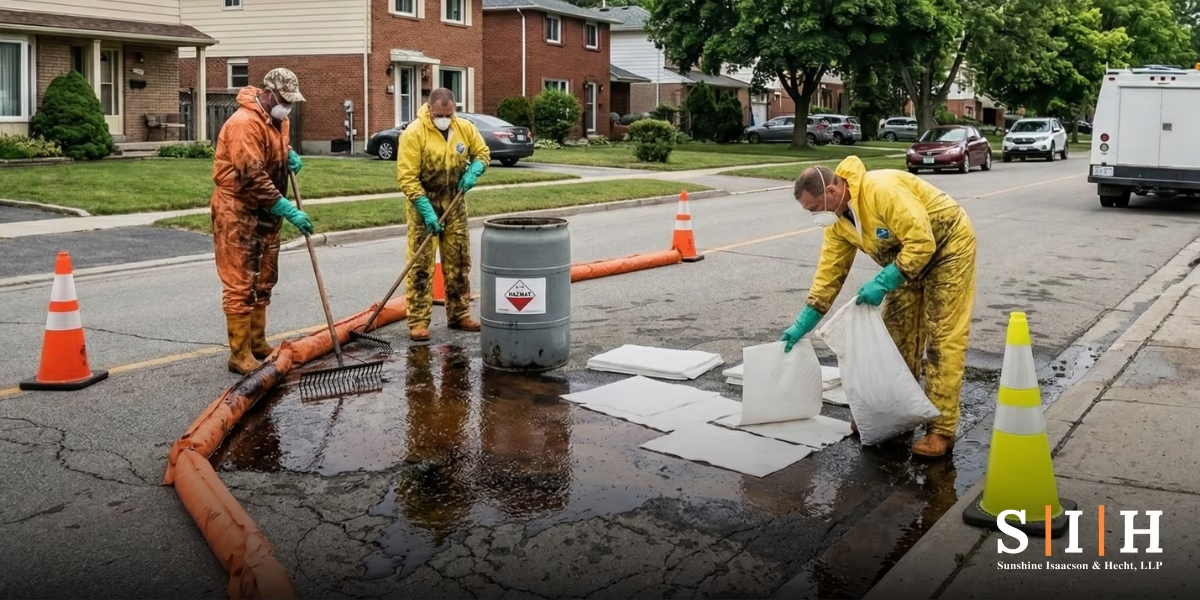
Cleanup isn’t just one single thing; it’s a series of steps that can overlap. First, environmental professionals may inspect the property, collect soil or water samples, and determine how far the contamination has spread. They can then develop a remediation approach based on site conditions and applicable environmental requirements.
Depending on the circumstances, cleanup may involve excavating contaminated soil, treating groundwater, controlling petroleum vapors, or using biological processes to help break down contaminants.
After the main work is completed, follow-up testing may continue for weeks, months, or longer to determine whether remediation goals have been met. Costs can include environmental testing, excavation, transportation, disposal, laboratory analysis, permits, consultants, equipment, and monitoring.
Common cleanup methods
- Excavation and removal of contaminated soil
- Bioremediation: using microbes to break down oil
- Pump-and-treat systems for groundwater
- Vapor mitigation if fumes enter buildings
How Oil Spills Disrupt Families and Communities
An oil spill doesn’t just affect the contaminated property; it can disrupt a family’s normal life. Persistent petroleum odors, cleanup activity, property damage, or concerns about indoor air and groundwater can make a home difficult to use.
In serious situations, families may need temporary housing while investigation or remediation takes place. They may also face costs for hotels, short-term rentals, transportation, storage, cleaning, or other spill-related expenses.
Even after cleanup, property owners may worry about property value, future saleability, continuing contamination, insurance disputes, or whether remediation has been completed properly. Keeping records of these costs and impacts can be important when pursuing insurance benefits or compensation.
Who is Responsible for Oil Spill Cleanup Costs?
Figuring out who pays is a major part of an oil spill claim. Potentially responsible parties may include an oil supplier, delivery company, contractor, tank owner, property owner or operator, or another party whose actions or equipment contributed to the release. Responsibility depends on the facts and the laws that apply.
Proving liability usually requires evidence showing what caused the contamination and how the responsible party is connected to it. Tank and delivery records, maintenance documents, environmental testing, photographs, spill reports, contractor records, and other documentation may help establish what happened.
Some environmental laws can impose liability without requiring proof that a release was intentional, but the applicable liability standard depends on the jurisdiction and circumstances.
Oil Spill Insurance Limitations
Many people assume homeowners insurance will automatically cover oil spill damage. That is not always the case. Coverage can depend on policy language, pollution exclusions, policy limits, the source and timing of contamination, and the circumstances of the release.
Even when insurance provides some coverage, disputes may arise over when the leak began, whether the policy applies, the extent of contamination, or which expenses are covered. Keep the policy, claim correspondence, environmental reports, estimates, invoices, and other records related to the loss.

Oil Spill Laws and Environmental Liability
Oil spill cases can involve federal, state, and local environmental requirements. The rules may depend on the type of petroleum released, where the spill occurred, whether navigable waters or adjoining shorelines were affected, and who owned or controlled the source.
Federal law includes specific reporting requirements for certain oil discharges. For example, EPA regulations address harmful quantities of oil discharged to navigable waters or adjoining shorelines, while separate state reporting requirements may also apply.
It is also important not to assume that every petroleum release is governed by CERCLA. EPA explains that petroleum is generally excluded from CERCLA’s definition of a hazardous substance, although certain specifically listed substances or added contaminants may fall under CERCLA.
Because reporting, cleanup, and liability requirements vary, the applicable law should be determined based on the substance, location, source, and circumstances of the spill.
How Environmental Agencies Respond to Oil Spills
Environmental agencies may receive spill reports, coordinate response activities, oversee cleanup requirements, and monitor remediation depending on the location and circumstances. Federal, state, and local agencies can have different responsibilities, particularly when a spill affects water resources or creates broader environmental concerns.
Government oversight does not necessarily replace an individual’s potential legal claim. A property owner or other affected party may have separate rights to pursue available compensation for eligible cleanup costs, property damage, or other losses.
What Evidence Should You Keep After an Oil Spill?
Good records can help establish what happened, the extent of the contamination, and the financial impact. Keep photographs and videos, environmental testing and laboratory reports, spill reports, tank and maintenance records, insurance correspondence, cleanup estimates and invoices, and receipts for temporary housing, storage, testing, or other related expenses.
Preserve communications with suppliers, contractors, insurers, environmental professionals, and potentially responsible parties. Keeping these records together can make it easier to evaluate insurance coverage, cleanup responsibility, and potential legal claims.
Legal Options for Victims of Oil Spill Damage
If a spill hits your property, don’t wait — document everything. Take lots of photos, save receipts for hotels or storage or anything you pay because of the spill, keep emails, get any test reports you can. Report the spill to authorities so there is an official record, that helps later.
Then Talk to an Oil Spills Attorney who handles environmental or commercial cases — they know how to dig into who caused it, get experts to test, and push for payment for cleanup and relocation costs. Lawsuits take time, yes, and they can be messy, but often they are the only way to recover the full costs and damages.
People usually follow steps like; document, report, hire experts if needed, then consult the lawyer — it sounds like extra work but without it you might get stuck paying a lot more than you should.
Conclusion
Oil spills can damage the environment and disrupt people’s homes, finances, and daily lives. Cleanup can involve environmental testing, remediation, monitoring, and significant expenses. Insurance may provide some coverage, but policy terms and exclusions can affect recovery.
Determining who is responsible requires examining the source of the spill, the evidence, applicable insurance coverage, and the federal, state, and local laws that govern the release.
If a spill affects your property, document the contamination and related expenses, report the release when required, preserve environmental and insurance records, and consider obtaining legal advice about your potential rights and available remedies.
ATTORNEY ADVERTISING
This blog is provided for general informational purposes only and does not constitute legal advice or create an attorney-client relationship. Legal outcomes depend on the specific facts and circumstances of each matter. Consult SIH Attorneys to discuss your specific legal matter and learn about your legal options.
FAQ
What Environmental Damage Can an Oil Spill Cause?
Soil contamination, groundwater pollution, harm to wildlife, and long-term ecosystem problems.
Who Pays for Oil Spill Cleanup?
Usually the responsible party — oil suppliers, delivery firms, or contractors — but prove it can take time.
How Long Does Oil Spill Remediation Take?
It can take weeks, months, or in serious cases, years.
Does Homeowners' Insurance Cover Oil Spills?
Sometimes it’s partially. Many policies exclude pollution or have low limits.
Do Families Need to Move out During Cleanups?
Sometimes yes, if contamination or fumes make the home unsafe.
What Laws Regulate Oil Spills?
Oil spills may be regulated by federal, state, and local laws covering reporting, cleanup, remediation, storage, and liability. Requirements vary depending on the location and circumstances of the spill.
Can Property Owners Sue Oil Spill Damage?
Yes. You can sue for cleanup costs, relocation expenses, and property value loss.
When Should I Call an Oil Spill Attorney?
As soon as possible after discovering the spill. Early legal involvement helps ensure evidence is properly documented, the responsible party is identified, and your right to compensation is protected before insurance disputes or delays make the process more difficult.


