
Types of Oil Spill Compensation for Nassau & Suffolk County Victims
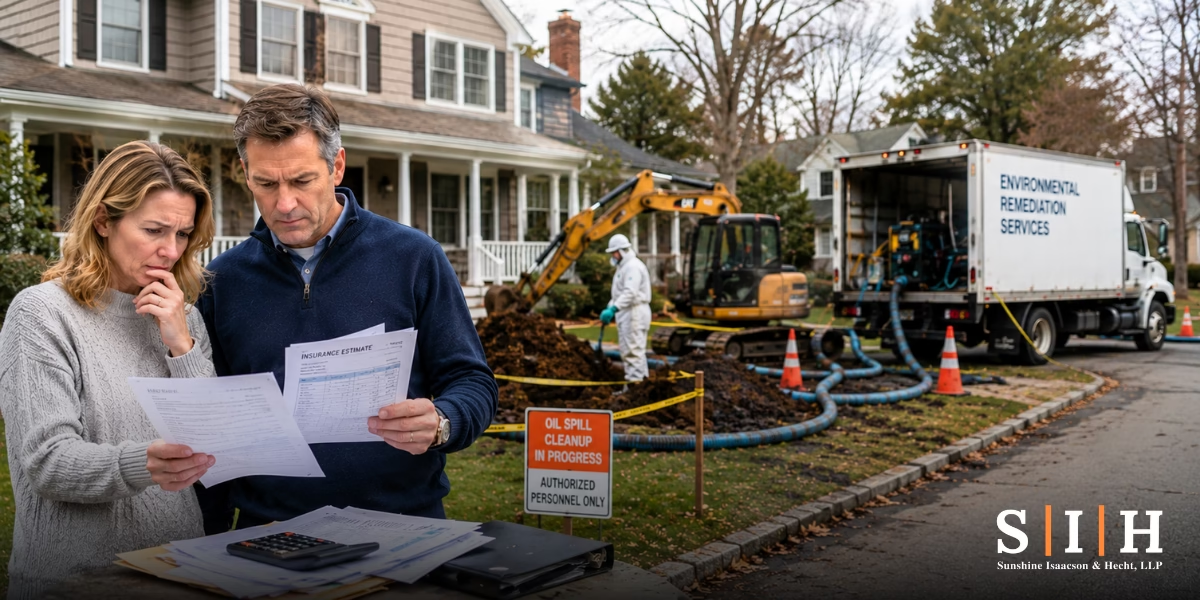
Most people never expect an oil spill to become a serious financial problem. At first, it may just seem like a strong smell near the basement or heating system. Then the cleanup crews come along, environmental testing starts, and the costs start adding quickly.
Oil spills cause more than just cleanup costs for many Nassau and Suffolk County homeowners. Repairs, temporary housing, property value issues, and insurance disputes can all be a part of the situation.
Oil spill victims in New York may have several avenues for financial compensation related to the contamination.
Why Oil Spill Damage Becomes So Expensive
Oil spills rarely stay contained. When oil infiltrates flooring, walls, soil, drainage systems or groundwater, the cleanup can be much larger than the homeowner initially thought.
Many homeowners are surprised by how quickly the costs add up. Environmental testing, remediation work, property repairs, and temporary living expenses can all occur simultaneously. In some cases, strong odors and contamination concerns may persist even after the initial leak has been identified, leading to additional cleanup efforts and expenses. Understanding the damages and costs associated with oil contamination can help homeowners better evaluate the financial impact of an oil spill.
That’s why oil spill compensation claims in New York often involve much more than just cleaning the property.
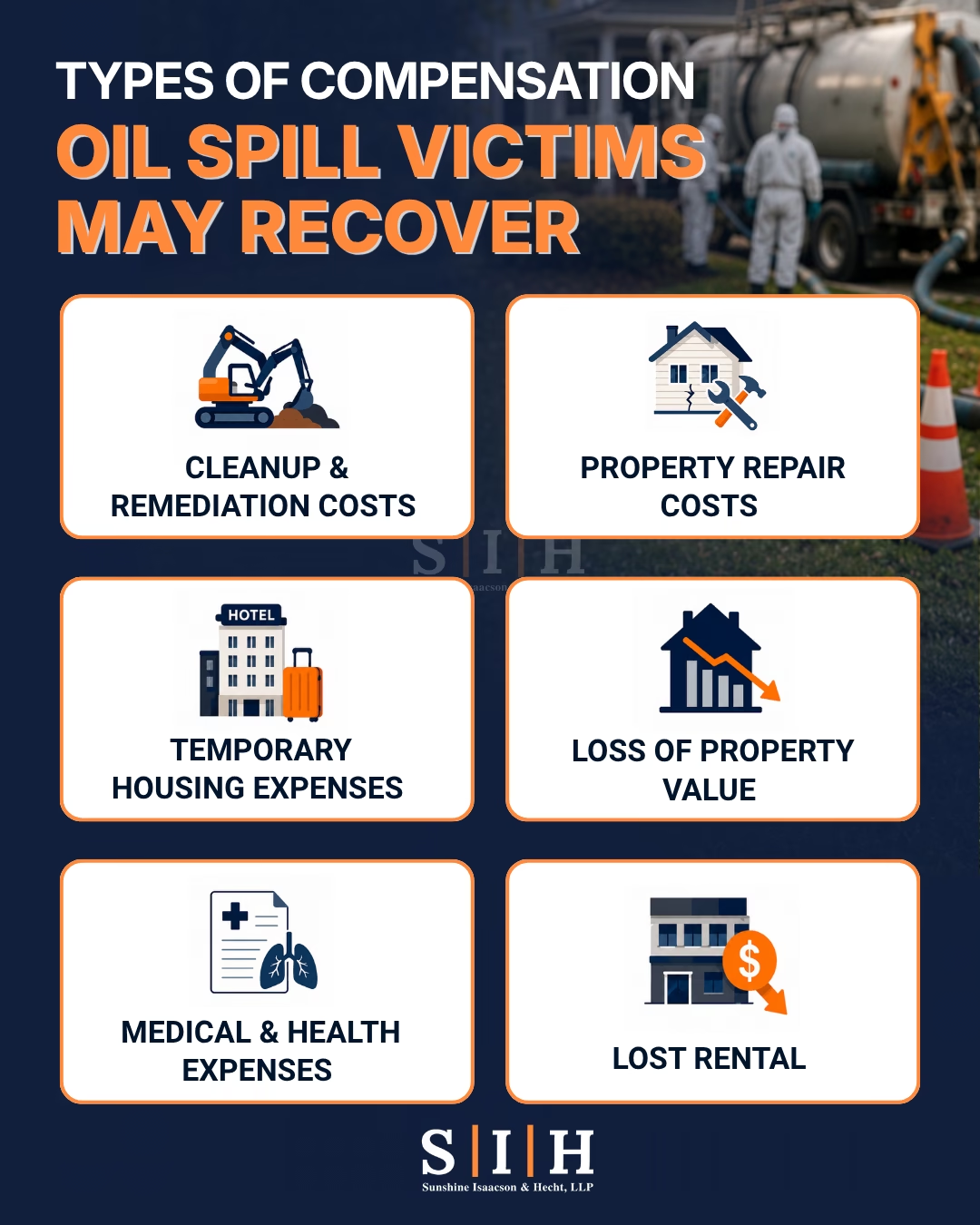
Types of Oil Spill Compensation Victims May Pursue in New York
Most people think compensation applies only to the actual clean up. Oil spill claims are real claims that may have multiple financial losses associated with the oil pollution.
1. Cleanup and Environmental Remediation Costs
One of the biggest expenses after an oil spill is the remediation process. Depending on the severity of the contamination, it may involve digging out contaminated soil, environmental testing, odor removal, and long-term monitoring. Compensation may include:
- Contaminated Soil Removal
- Groundwater Testing
- Tank Removal
- Air Quality Inspections
- Odor Treatment
- And Environmental Contractor Costs
For large spills, cleanup may take months, and environmental crews will be monitoring the property.
2. Property Repair and Restoration Costs
Oil contamination can damage more than just the area around the leak. When the oil permeates the property, flooring, drywall, insulation, HVAC systems, and even belongings can all be impacted.
In some homes, the smell and contamination are so difficult to fully remove that the homeowners decide to replace large areas of the home. Cleanup may only be the beginning of repair costs.
3. Temporary Housing and Relocation Expenses
Some oil spills make parts of a home unsafe for a period of time. Families may have to be housed elsewhere while remediation is being conducted within the home. Compensation may include:
- Hotel Expenses
- Temporary Rental Housing
- Storage Costs
- Moving Expenses
- Costs of Relocation, Including and Transportation
This is one of the most stressful aspects of the whole ordeal for many families.
4. Loss of Property Value
Some homeowners still worry about the long-term value of their property even after cleanup has been finished.
Homes that have had environmental contamination may find it more difficult to sell, particularly if the contamination involves extensive remediation and/or groundwater cleanup. Purchasers might still have questions regarding how an oil spill can impact your home’s value whether from past contamination or potential future environmental issues.
In certain cases, the homeowner might seek damages from the decreased property value following the spill.
5. Health-Related Expenses
In some cases, oil contamination can sometimes affect physical health, particularly if the fumes are present in the home for extended periods of time.
During severe contamination, some individuals may have headaches, nausea, breathing problems, dizziness, or skin irritation. The financial consequences associated with the spill could include medical assessments, follow-up treatment, prescription expenses, and environmental exposure testing.
6. Lost Rental Income and Business Losses
Oil spills can also cause financial issues for rental properties and commercial properties. Tenants may temporarily leave during remediation, and businesses may lose income if operations are interrupted.
The economic impact can be significant for landlords and business owners in a short period of time, particularly if the cleanup process drags on for weeks or months.
7. Emotional Stress and Lifestyle Disruption
Then there is the emotional aspect of an oil spill that many people don’t anticipate.
Families may spend weeks dealing with the cleanup process, including working with contractors, insurance, environmental testing, and the uncertainty of how long the cleanup will take. Over time, the smell alone can become emotionally exhausting.
Parents are concerned about their children. Homeowners are concerned about damage to their home and the potential resale issues. The stress can persist for months even after the cleanup has started.
After the main work is done people still test the site again and again for weeks or months — sometimes years — to be sure it’s really safe. Cleanup can be quick for a small spill, or drag on for ages if the oil went deep. And the money side? It adds up fast: tests, trucks, disposal fees, permits, specialists — before you know it the bill is big.
Why Insurance Payments Do Not Always Cover Everything
Many homeowners think that insurance will take care of everything. But sadly, that is not always the case with oil spill claims.
Insurance companies may dispute the cost of cleanup, the extent of the contamination, or the coverage amount. Other policies may include conditions such as underground tanks, contamination, or long-term leaks.
Where coverage is available, payments may not cover the total financial burden of the spill if the costs of relocation, property value issues, or long-term remediation are factors.

What Helps Strengthen an Oil Spill Compensation Claim ?
Documentation is very important following an oil spill. Organized records can help in providing homeowners a clear picture of the financial damages related to the contamination. Useful documents can be:
- Photographs And Videos
- Environmental Reports
- Remediation Invoices
- Repair Estimates
- Receipts For Hotel and Relocation, And
- Insurance Correspondence
- And Medical Records
The more information that homeowners can keep early in the process, the easier it may become to support compensation claims later.
How Long Oil Spill Financial Problems Can Last ?
Many homeowners think the worst part is over once cleanup crews arrive on the scene. Sadly, some financial problems may continue even after the contamination has been physically eliminated.
Homeowners may have to continue dealing with insurance issues, environmental tests, repair delays, and property issues for months. For larger cases, the financial impact can last much longer than expected.
Why Legal Guidance Matters in Large Oil Spill Claims?
Oil spill claims can quickly become more complicated than homeowners initially realize. Cleanup costs, insurance disputes, property damage, relocation expenses, and long-term financial losses may all become part of the same case. Working with experienced oil spill attorneys can help property owners better understand their legal options and evaluate the full scope of compensation that may be available after significant oil contamination.
Attorneys at Sunshine Isaacson & Hecht, LLP help Nassau and Suffolk County property owners understand the full scope of compensation available after substantial oil spill contamination, such as remediation costs, property damage, relocation expenses, and other financial losses associated with the oil spill. Contact us today for a free consultation to discuss your case.
ATTORNEY ADVERTISING
This blog is provided for general informational purposes only and does not constitute legal advice or create an attorney-client relationship. Legal outcomes depend on the specific facts and circumstances of each matter. Consult SIH Attorneys to discuss your specific legal matter and learn about your legal options.
FAQ
How much can New York oil spill victims get?
Victims of an oil spill can seek damages for the costs of cleanup, property damage, relocation, environmental remediation, medical expenses, loss of value and other financial losses related to the oil spill.
Is oil spill damage covered by homeowners' insurance?
Sometimes. Depending on the cause of the spill and the language of the homeowner’s insurance policy, some policies may offer partial coverage, and others may exclude or limit coverage.
How long can oil spill compensation claims take?
In some situations, yes. History of contamination may also impact the value of a property even after remediation.
How to clean up an oil spill in the house?
The homeowner should document the contamination, keep records, notify environmental professionals, and inform their insurance carrier as soon as possible.
Do homeowners have a claim for value loss?
In some situations, yes. History of contamination may also impact the value of a property even after remediation.


