
Bicycle Accident Laws: Your Rights, What to Do, And When to Call a Lawyer

Bicycling is an increasingly common way to commute, exercise, and get around. When crashes happen, traffic laws and personal injury laws can affect who is responsible and what compensation may be available. This post explains bicycle accident laws in plain language, what to do after a crash, how fault and insurance can affect a claim, and when speaking with a lawyer may be helpful. Because bicycle and personal injury laws vary by state and locality, specific rules depend on where the accident occurred.
What are “Bicycle Accident Laws”?
“Bicycle accident laws” generally cover two areas. First are traffic rules that apply to people riding bicycles, including signs, signals, lane use, and right-of-way rules. Second are civil laws that may determine who is responsible when someone is injured or property is damaged. In many jurisdictions, bicyclists using the roadway have rights and responsibilities similar to motorists, although specific bicycle laws can vary by state and locality.
Common Causes of Bicycle Accidents
A lot of crashes happen for the same few reasons. Knowing them helps you avoid trouble, and can help with fault-finding later.
- Dooring — a vehicle door opens into a cyclist’s path.
- Right-hook or left-hook crashes — a vehicle turns across a cyclist’s path.
- Unsafe passing — a driver passes without sufficient clearance.
- Intersection collisions — a driver or cyclist fails to see another road user.
- Distracted driving — attention is diverted by phones or other activities.
- Unsafe road conditions — potholes, debris, gravel, or slippery surfaces contribute to a crash.
These are short, simple causes — but they cause big injuries.
Cyclists’ Rights & Responsibilities
Riding a bicycle comes with both rights and responsibilities. In many jurisdictions, bicyclists using the roadway must follow applicable traffic signs, signals, and right-of-way rules and generally travel with the flow of traffic. Lane-use and riding rules, including when cyclists may ride side by side or use the full lane, vary by jurisdiction.
Following the applicable rules can also matter in an injury claim. A violation may affect how fault is determined or how much compensation a cyclist can recover, depending on the jurisdiction’s negligence rules.
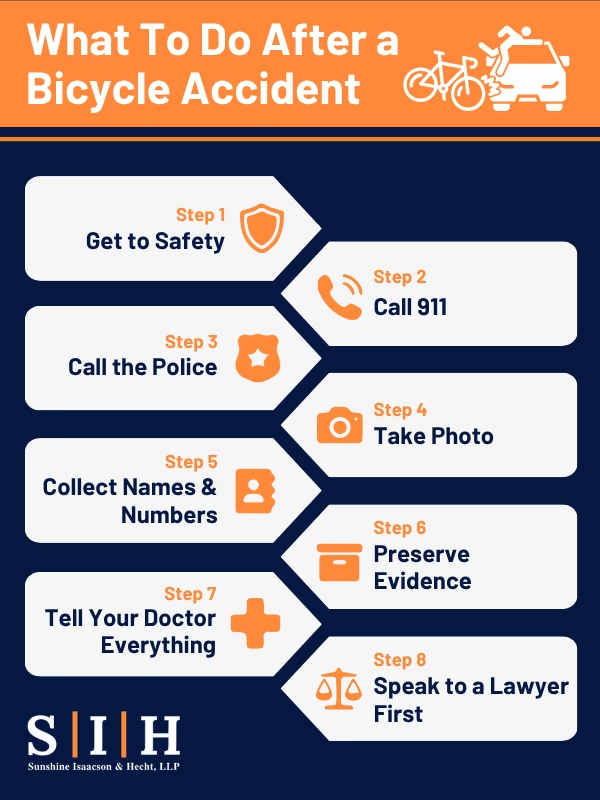
What To Do After a Bicycle Accident — Step-by-Step
If you can, do these things right after a crash. They matter a lot.
- Get to safety. Move out of the road if you can.
- Call 911 if anyone is hurt or a vehicle is involved. Get medical help even for small injuries — some pain shows up later.
- Call the police so there’s an official report. This helps with insurance and court.
- Take photos of the scene: your bike, the vehicle, skid marks, signs, lights, anything.
- Collect names & numbers of drivers, passengers, and witnesses. Write down vehicle plate numbers.
- Preserve evidence. Don’t toss your helmet or damaged clothes. Keep repair bills.
- Tell your doctor everything. Be clear about pain, even if small.
- Talk to a lawyer before giving recorded statements to an insurer. Don’t admit fault or say “I’m fine” on camera.
Do these steps. They’re simple but will help a lot later.

Fault, Damages & Insurance — How Claims Work
If you’re hurt, you may seek damages. Damages mean money for medical bills, lost pay, pain and suffering, and bike repairs. The at-fault driver’s car insurance is often the main source. Sometimes uninsured motorist (UM) coverage, homeowner’s, or specialized bike insurance helps too.
Many states use comparative negligence. That means you can still recover money even if you were partly to blame. Your total award is reduced by your share of fault. For example, if you’re 20% at fault and the damages are $10,000, you might get $8,000. Rules vary, so local law matters.
Insurance companies may try to settle fast for little money. They do that a lot. Having a lawyer can stop that and get you fair value.
When To Hire a Personal Injury Attorney for a Bicycle Accident
You don’t need a lawyer for every scrape. But call one if:
- You have serious injuries or expensive medical bills.
- Fault is disputed or the driver says you caused the crash.
- The driver has no insurance or is underinsured.
- The case involves dooring, poor road design, or a government entity (like a city).
- The insurer offers a low settlement.
A Bicycle Accident Lawyer will collect evidence, talk to doctors, handle insurers, and if needed sue. They can also tell you what your case is worth. Hiring a lawyer early protects evidence and keeps insurers from pushing you around.
Bicycle Laws Vary by State and Locality
Bicycle laws are not identical across the country. Rules governing helmet use, bike lanes, sidewalk riding, riding two abreast, passing distances, lighting and equipment, and how cyclists must approach stop signs or traffic signals can vary by state and local jurisdiction.
For example, some jurisdictions have specific laws requiring drivers to leave a minimum distance when passing a cyclist, while others use broader safe-passing requirements. Helmet requirements also differ, particularly for children and younger riders.
Because these rules can affect both traffic violations and injury claims, cyclists should review the laws that apply where the accident occurred. In a personal injury case, evidence of road conditions, traffic signals, witness statements, and each party’s conduct may all be relevant to determining fault.
Conclusion
Bicycle laws are made to keep riders safe and to make sure victims can get help after a crash. If you ride, follow the rules, use lights, and stay alert. If you’re ever hit, get medical care, document everything, and think about talking to a Personal Injury Lawyer — especially if injuries are serious or the other side blames you.
If you want help or a free case review, visit our contact page at sihattorneys.com and get in touch. We can look at your case and tell you what steps to take next. Don’t guess — get advice.
FAQ
What Counts as a Bicycle Accident?
Any crash involving a bicycle and vehicle, pedestrian, fixed object, or roadway defect that causes damage or injury.
Do Cyclists Have the Same Rights as Drivers?
Yes — cyclists generally have the same rights and duties as motor vehicles on public roads; follow traffic laws and signals.
Who Pays If a Car Hits a Cyclist?
The at-fault driver’s auto insurance is first; other sources (UM, homeowner’s, bike insurance) might apply depending on coverage and fault.
Is Helmet Use Required Everywhere?
Helmet laws vary: NY requires helmets for children under 14 and has rules for some e-bike riders; adult helmet laws differ by state.
What is “Dooring” and Who’s Responsible?
“Dooring” is opening a car door into a cyclist’s path. The door-opener can be liable if it was unsafe to open the door.
How Soon Should I Report a Bicycle Crash?
Report to police/DMV when there are injuries or significant property damage. Get a medical check even if you feel fine — some injuries appear later.
Can I Still Recover If I Was Partly at Fault?
Often yes — many places use comparative fault rules, reducing recovery by your share of fault rather than blocking it entirely.
When Should I Call a Bicycle Accident Lawyer?
Call if injuries are serious, fault is disputed, insurers undervalue your claim, or the defendant lacks insurance. A lawyer preserves evidence and handles negotiations.


